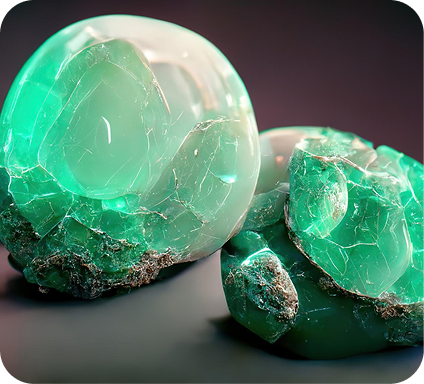
Birthstones have been cherished for centuries, with each month associated with a specific gemstone believed to bring luck, health, and prosperity to those born during that time. Understanding your birthstone can help you make a more meaningful connection with your jewelry.
The History of Birthstones
The tradition of birthstones dates back to ancient times. The breastplate of Aaron, described in the Book of Exodus, contained twelve stones representing the twelve tribes of Israel. Over time, these stones became associated with the zodiac signs and eventually with the months of the year.
January - Garnet
Garnet, the birthstone for January, symbolizes friendship and trust. This deep red gemstone has been prized since ancient times for its beauty and protective qualities. Garnets are believed to keep travelers safe during their journeys.
February - Amethyst
The stunning purple amethyst represents peace, courage, and stability. Ancient Greeks believed that wearing amethyst would protect against intoxication, while medieval European soldiers wore it for protection in battle.
March - Aquamarine
Aquamarine, with its serene blue color reminiscent of the sea, is the birthstone for March. It symbolizes youth, health, and hope. Sailors once believed that aquamarine would protect them during ocean voyages.
April - Diamond
The diamond, April's birthstone, is the hardest natural substance on Earth and symbolizes eternal love and invincibility. Diamonds have been treasured throughout history as symbols of strength, courage, and beauty.
May - Emerald
Emeralds represent rebirth, love, and fertility. Cleopatra was known for her love of emeralds, and these green gems have been associated with royalty throughout history. They are believed to grant the wearer foresight and good fortune.
June - Pearl
Pearls are unique among gemstones as they are formed by living creatures. They symbolize purity, innocence, and humility. Pearls have been valued for thousands of years and are considered classic symbols of elegance.
July - Ruby
The ruby, with its fiery red color, represents passion, protection, and prosperity. Known as the "king of gems," rubies have been prized by royalty throughout history and are among the most valuable gemstones.
August - Peridot
Peridot's vibrant green color symbolizes strength and healing. Ancient Egyptians called it the "gem of the sun" and believed it protected against nightmares. Peridot is one of the few gemstones that comes in only one color.
September - Sapphire
Blue sapphire represents wisdom, loyalty, and nobility. Throughout history, sapphires have adorned royalty and clergy, symbolizing heaven and divine favor. They are also believed to protect against envy and harm.
October - Opal
Opals display a unique play of colors and symbolize hope, creativity, and innocence. Ancient Romans considered opals to be the most precious and powerful of all gems because they displayed the colors of all other stones.
November - Topaz
Topaz, particularly in its golden yellow variety, represents love, affection, and good fortune. The ancient Greeks believed that topaz gave them strength, while medieval Europeans thought it could dispel enchantments.
December - Turquoise
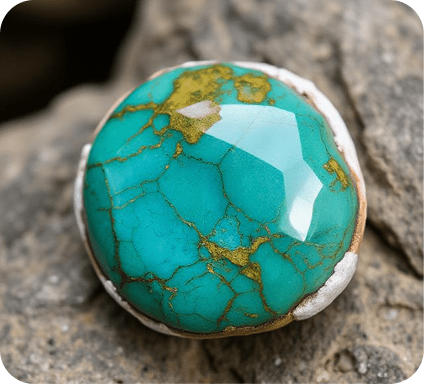
Turquoise is one of the oldest known gemstones and symbolizes success, good fortune, and protection. Native American cultures have treasured turquoise for centuries, believing it to bring good health and positive energy.
Choosing Your Birthstone
When selecting a birthstone, consider not only the traditional stone for your birth month but also your personal connection to the gem. Many people choose stones based on their color preferences, spiritual beliefs, or the qualities they wish to cultivate in their lives.
At Gemstone Assistant, we offer certified, natural birthstones of the highest quality. Our AI assistant Joe can help you find the perfect birthstone that resonates with your personal energy and style.